Planning & Layout
How Many Landscape Lights Can One Transformer Handle?
7 min read
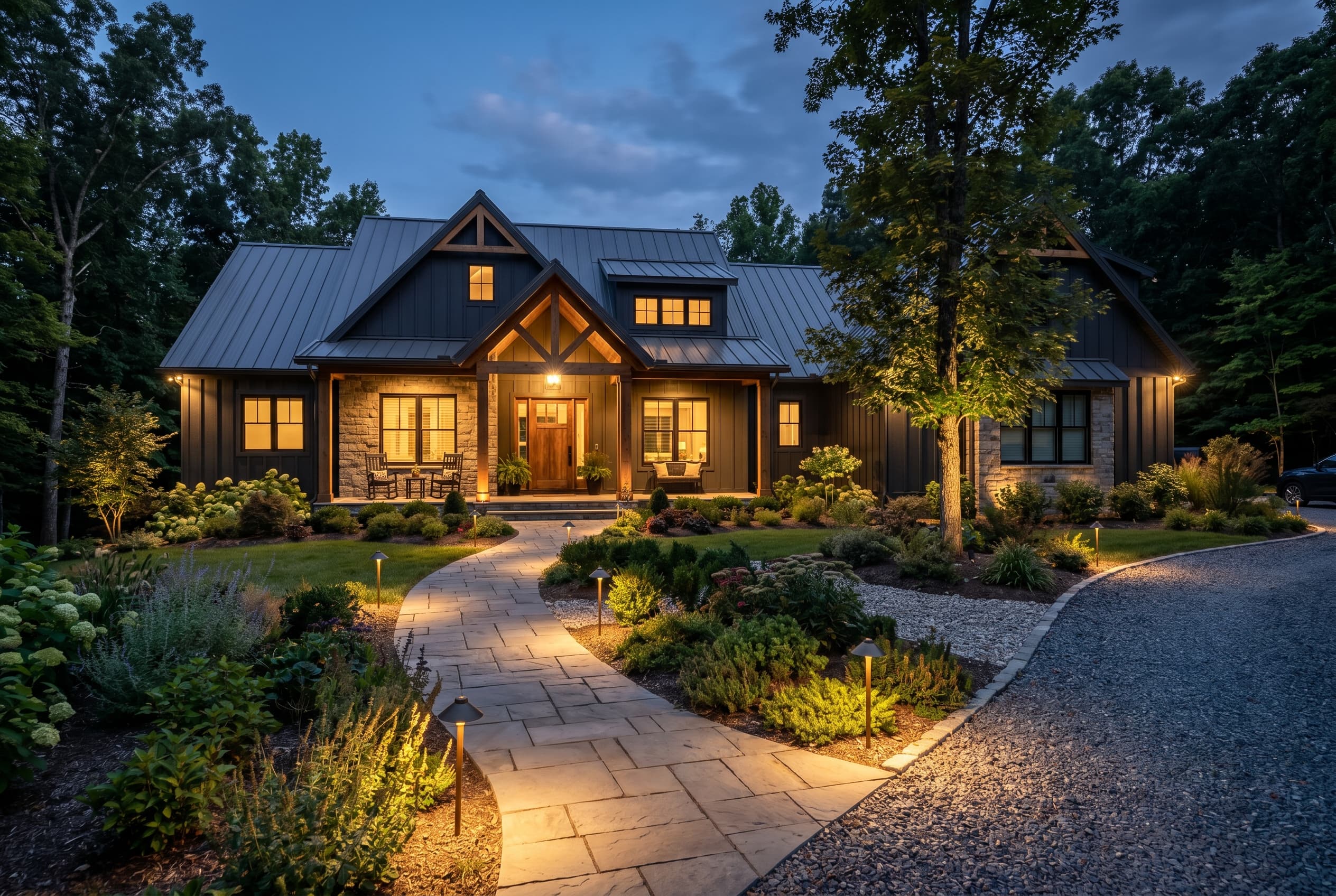
Homeowners often ask how many landscape lights can go on one transformer, but fixture count by itself is the wrong metric.
The better question is how much connected load one transformer can support while still leaving room for safe performance, cleaner zoning, and future flexibility.
Quick answer
The practical number of lights on one transformer depends on total wattage, layout quality, and how much headroom you want for a system that ages well.
Wattage matters more than raw fixture count
Ten low-watt fixtures and ten higher-output fixtures are not the same load. That is why the fixture schedule matters more than the number of stakes or heads in the ground.
Always start with real wattage instead of guessing based on count alone.
System layout changes the practical limit
Even when the transformer has enough rated capacity, poor zoning or long cable runs can lower what feels practical on a single circuit path.
A cleaner multi-run layout often performs better than cramming everything into one oversized branch.
Deeper reference
Keep the full homeowner guide on hand.
The book goes deeper on fixture selection, transformer sizing, wiring, voltage drop, automation, and building a landscape lighting plan from the first sketch through the final night look.
Leave room for future additions
Many homeowners start with the front yard and later want to add backyard or side-yard lighting. If the transformer is already near its limit, expansion gets messy fast.
That is why some extra headroom is usually worth paying for up front.
Think in terms of control and serviceability
A system that is easy to understand later is more valuable than one that is only technically possible. Fewer headaches during troubleshooting and upgrades is part of good planning.
In practice, that means grouping fixtures logically instead of only chasing a maximum number.
Next steps
If this page answered the first question, these are the next pages worth opening.
Landscape Lighting Transformer Sizing Guide
Use the full sizing guide when you want the logic behind reserve capacity, zoning, and future expansion.
Landscape Lighting Transformer Planner
Move into the planner to pressure-test fixture count against real zone totals, reserve capacity, and run lengths.
Landscape Lighting Voltage Drop Calculator
Check the longer or heavier runs next so one big zone does not look fine on paper and fade at the far end.
Recommended products
Amazon picks that fit this guide
These are starter products tied to the decision this page is helping with. Use the guide's planning advice and the product specifications together before you buy.
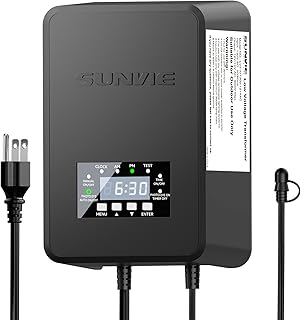
SUNVIE 200W Landscape Lighting Transformer with Timer and Photocell
A realistic homeowner-size transformer for layouts that have outgrown a small starter setup but do not need to jump straight to a very large unit.
View 200W transformer
DEWENWILS 300W Wi-Fi Low Voltage Landscape Transformer, 3 Zones
A bigger-zone option for homeowners planning more fixtures, multiple runs, or future expansion instead of sizing right to the edge.
View 300W transformer
SUNVIE 14/2 Low Voltage Landscape Wire, 100 FT
A cable option for runs where total fixture count and distance start affecting whether the far fixtures stay consistent.
View 14/2 wireDisclosure: As an Amazon Associate, this site may earn from qualifying purchases at no extra cost to you.