Technical / Buying Guidance
Warm vs Cool Outdoor Lighting: What Looks Best at Night?
5 min read
Two lighting plans can use similar fixtures and placement but feel completely different because of color temperature.
That is why warm versus cool lighting is one of the most important choices in a residential outdoor setup.
Quick answer
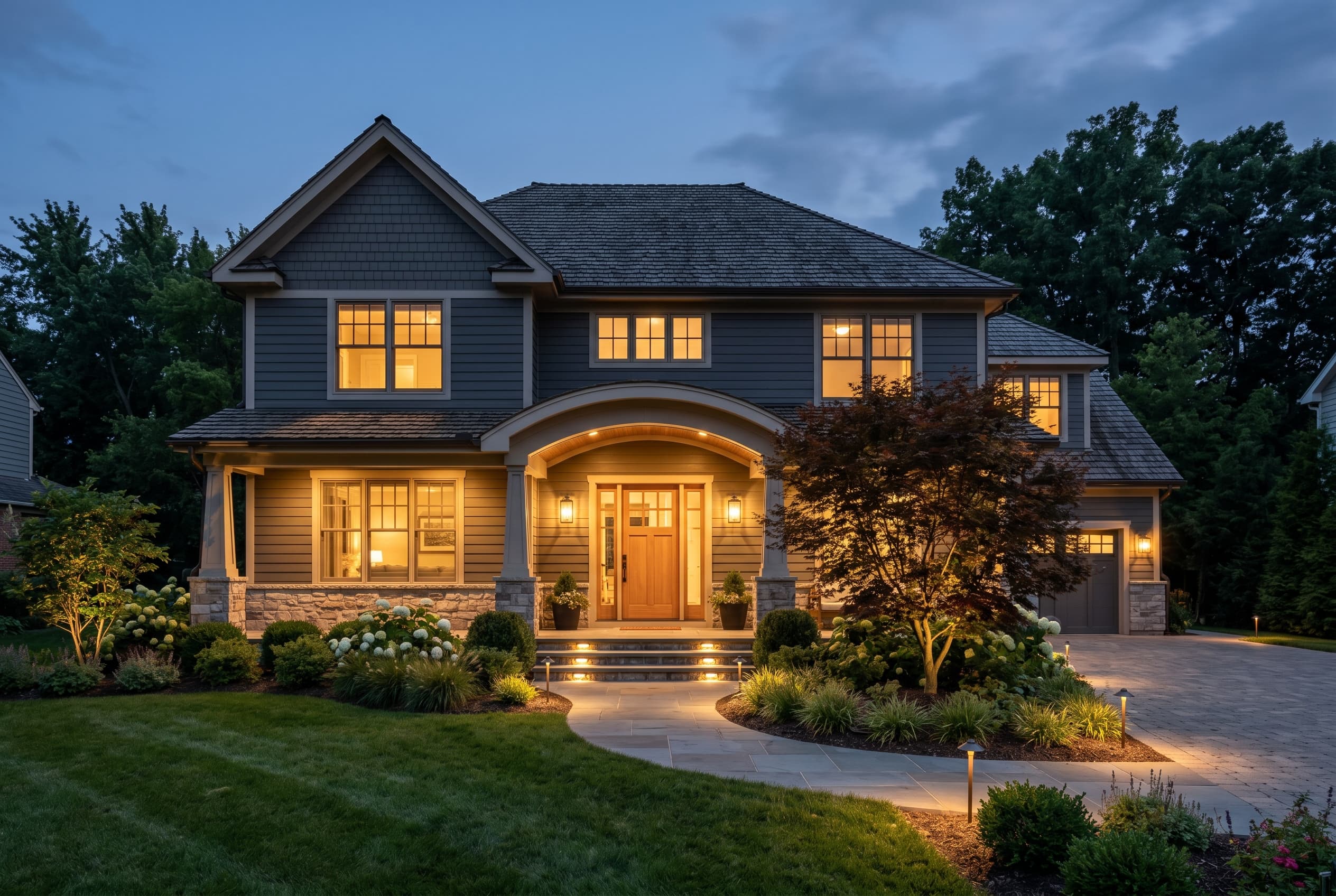
For most residential landscape lighting, warmer tones create the more inviting and expensive-looking result.
Warm light usually feels more natural for homes
In most residential landscapes, warmer light creates a more inviting and flattering nighttime look. It works especially well with stone, wood, greenery, and traditional architecture.
Warm light tends to support mood and atmosphere instead of making the yard feel clinical.
Cool light can feel sharper, but also harsher
Cooler tones can increase visual crispness, but they often make residential properties feel less comfortable. In some cases, they can flatten the landscape or make it feel too stark.
That is why many homeowners regret choosing a color temperature that looked bright in theory but cold in practice.
Deeper reference
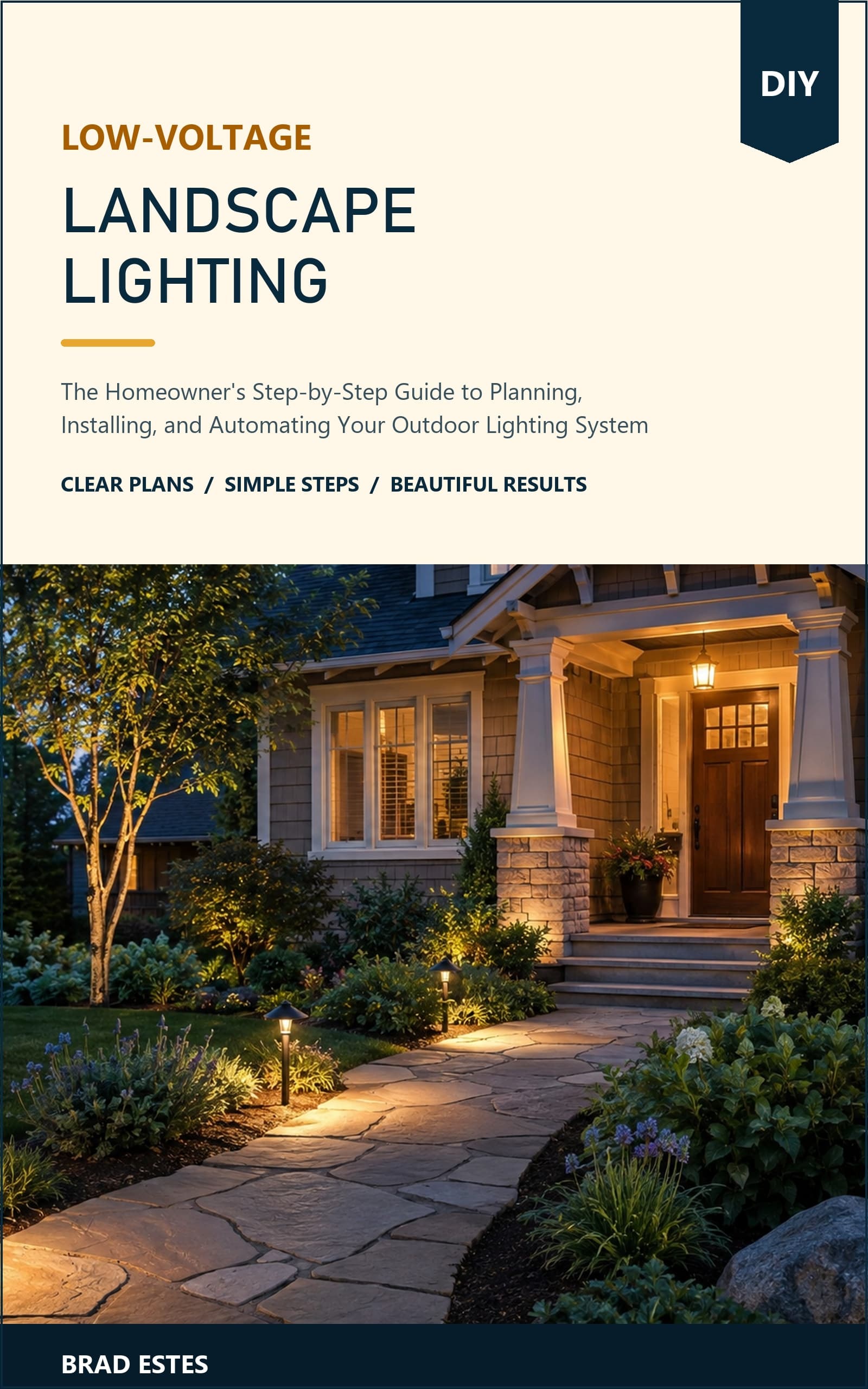
Keep the full homeowner guide on hand.
The book goes deeper on fixture selection, transformer sizing, wiring, voltage drop, automation, and building a landscape lighting plan from the first sketch through the final night look.
Consistency matters across the property
Mixing noticeably different color temperatures around the same home can make the property feel disjointed. A path with one tone and uplights with another often looks unintentional.
A more cohesive palette usually creates the strongest result.
Choose based on mood, not just visibility
Brightness is only part of the equation. A lighting plan should shape how the property feels at night.
If the goal is warmth, comfort, and curb appeal, warmer tones are usually the safer choice.
Next steps
If this page answered the first question, these are the next pages worth opening.