Technical / Buying Guidance
What Wire Gauge Is Best for Landscape Lighting?
6 min read
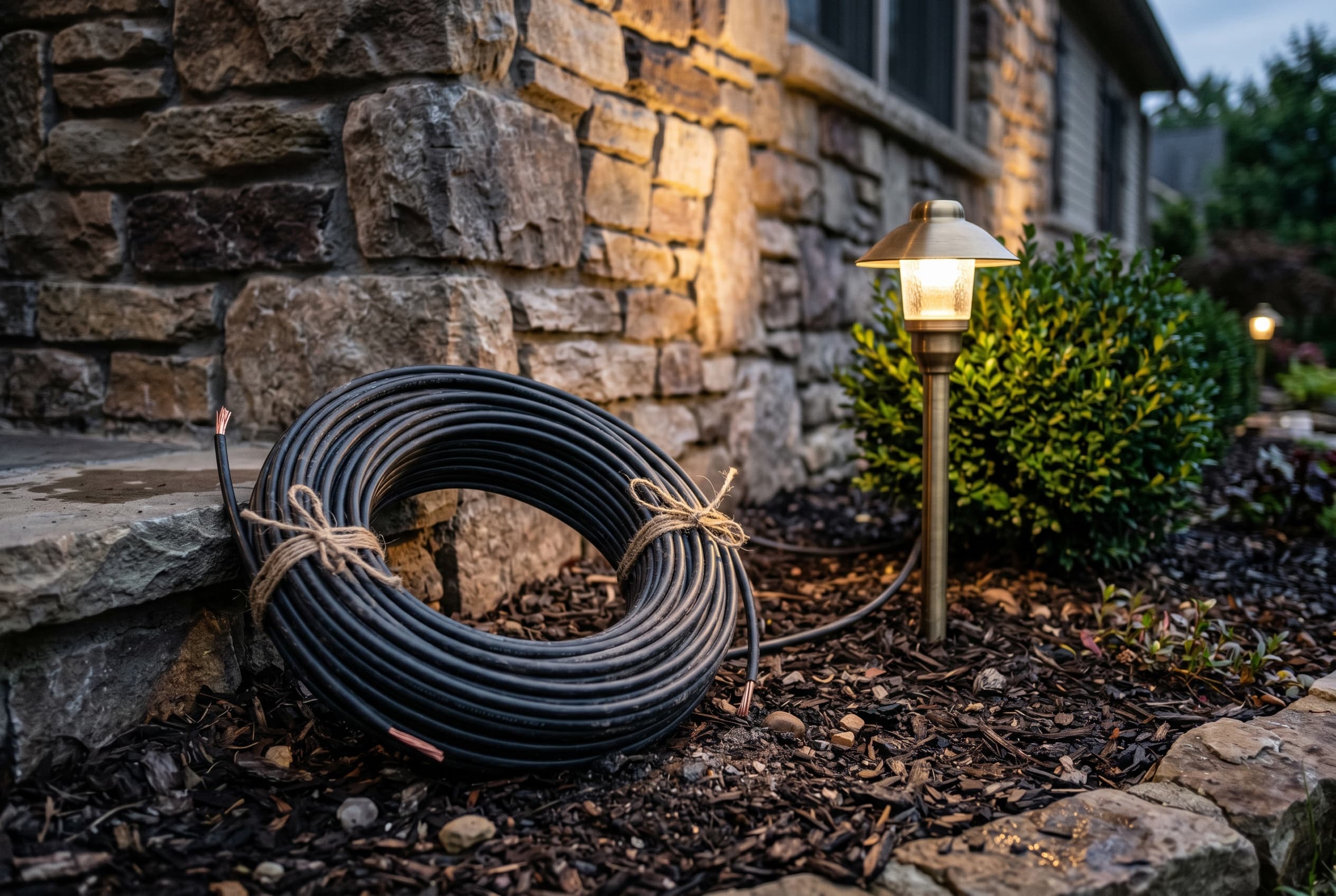
Wire gauge is not the most glamorous part of landscape lighting, but it has a big effect on how the finished system performs.
Choosing the right cable size helps protect brightness consistency and reduces headaches on longer runs.
Quick answer
The right wire gauge supports consistent brightness and lower voltage-drop risk, especially when runs get longer or loads increase.
Thicker cable helps on longer runs
As distance grows, resistance becomes more important. A heavier gauge cable can help reduce the performance drop that shows up on long paths or wide properties.
That makes cable choice a planning decision, not just a material detail.
Small systems and large systems behave differently
A compact front bed with a few fixtures may not stress the cable the same way a larger multi-zone yard will. That is why the best gauge depends on the actual layout, not a one-size-fits-all rule.
Good installers match cable choice to load and distance rather than defaulting blindly.
Deeper reference
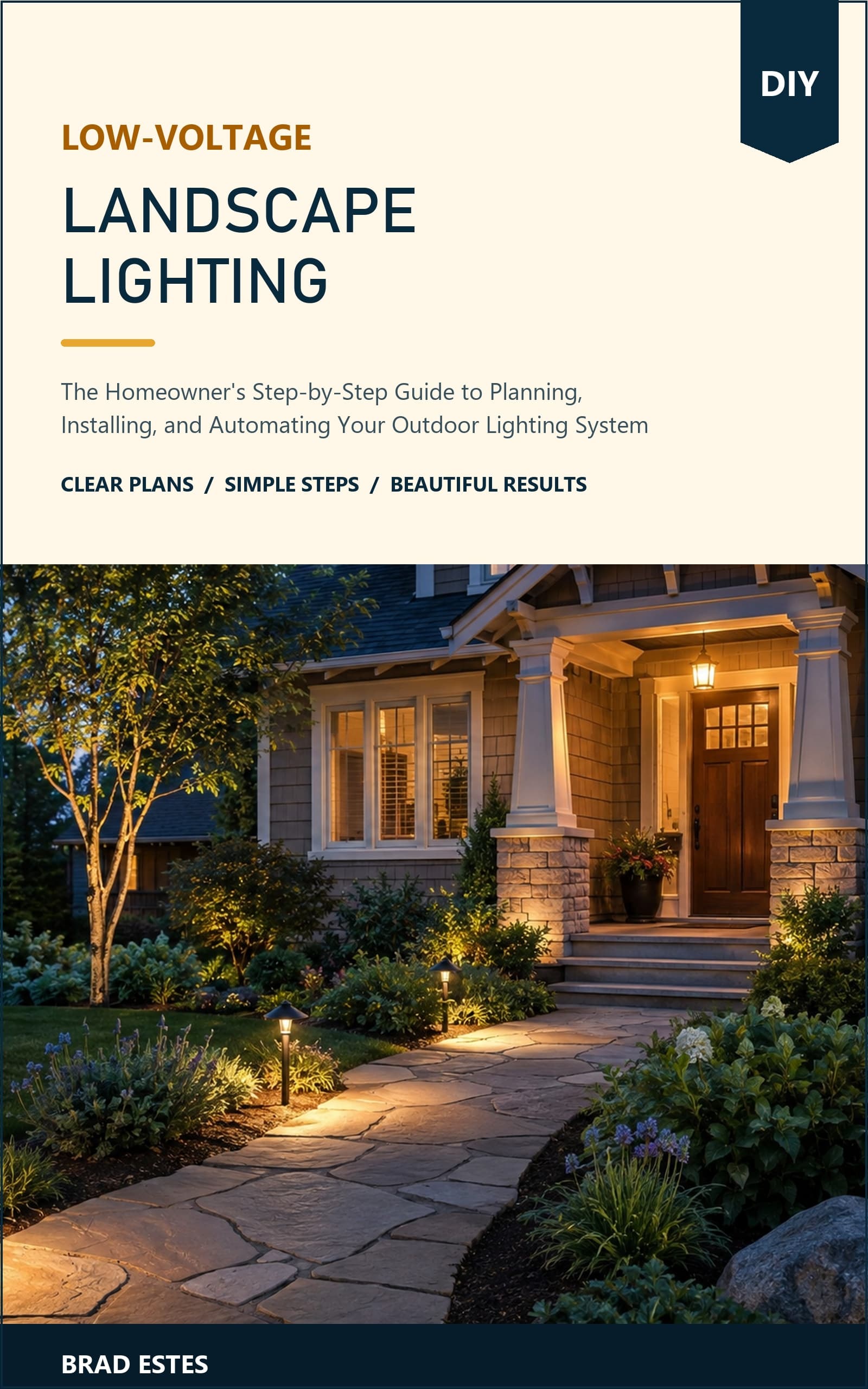
Keep the full homeowner guide on hand.
The book goes deeper on fixture selection, transformer sizing, wiring, voltage drop, automation, and building a landscape lighting plan from the first sketch through the final night look.
Cable strategy should follow the lighting plan
If the lighting design evolves, the wire plan should evolve with it. A good cable decision supports the intended system instead of forcing compromises later.
That is another reason homeowners benefit from planning before they start buying random parts.
This is where overbuying can actually make sense
In some cases, stepping up cable quality or gauge is a smarter investment than trying to patch performance issues later. It is not always the cheapest line item, but it can be high-value insurance.
That is especially true on runs where dimming and inconsistency would be noticeable.
Next steps
If this page answered the first question, these are the next pages worth opening.
Landscape Lighting Wire Gauge Calculator
Use the calculator to compare likely cable sizes once the guide tells you the run may be asking for more than a default guess.
Landscape Lighting Voltage Drop Calculator
Open the voltage-drop tool next when the gauge decision depends on distance, load, and far-end brightness risk.
How to Repair Landscape Lighting Wire Without Creating More Problems
Use the repair guide if the wire question is happening because an existing run is damaged, dim, or full of bad splices.
Frequently asked questions
Is 12 gauge wire enough for landscape lighting?
Often yes for shorter or lighter residential runs, but not always. As run length and load go up, heavier cable can become the safer choice for brightness consistency.
When should I use 10 gauge wire for landscape lighting?
10 AWG starts making more sense when the run is longer, the connected load is heavier, or you are trying to keep voltage drop under tighter control.
Does thicker wire improve landscape lighting performance?
Yes. Thicker wire lowers resistance and usually helps the far fixtures hold voltage better on longer or more heavily loaded runs.
Recommended products
Amazon picks that fit this guide
These are starter products tied to the decision this page is helping with. Use the guide's planning advice and the product specifications together before you buy.

SUNVIE 12/2 Low Voltage Landscape Wire, 100 FT
A straightforward 12 AWG pure-copper option for shorter residential runs where 12/2 is still the practical choice.
View 12/2 wire
SUNVIE 14/2 Low Voltage Landscape Wire, 100 FT
A middle-ground 14 AWG option when the run is asking for more help than 12/2, but you do not want to jump all the way to a heavier cable.
View 14/2 wire
King Innovations Blazing BVS-2 Snap Lock Low Voltage Wire Connectors, 20-Pack
A connector add-on for homeowners comparing not just cable gauge, but also what they will need to finish and service the install cleanly.
View connectorsDisclosure: As an Amazon Associate, this site may earn from qualifying purchases at no extra cost to you.